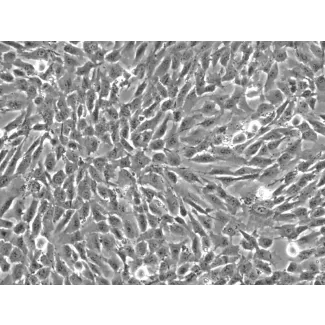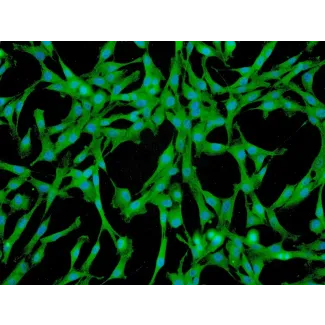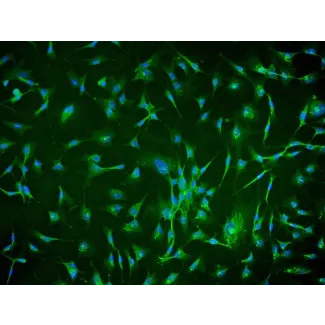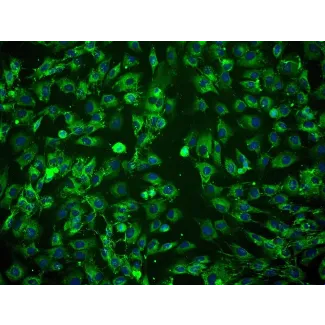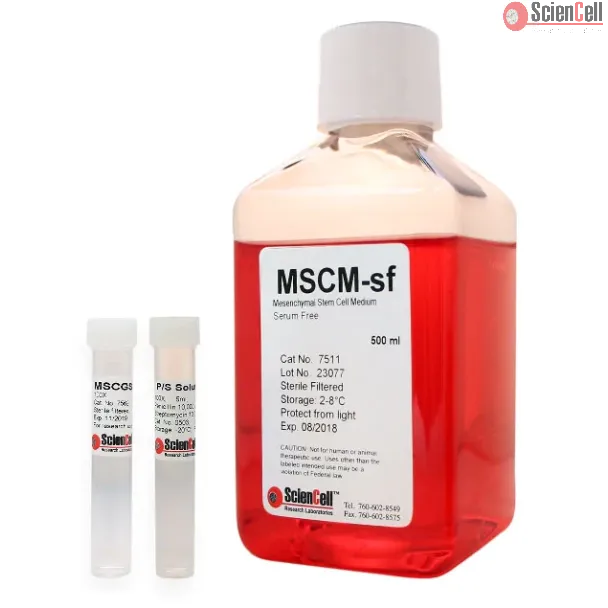
Mesenchymal Stem Cell Medium-serum free
Mesenchymal Stem Cell Medium-serum free (MSCM-sf) consists of 500 ml of basal medium, 5 ml of Mesenchymal Stem Cell Growth Supplement-serum free (MSCGS-sf, Cat. #7562) and 5 ml of penicillin/streptomycin solution (P/S, Cat. #0503).
Available Promotions:
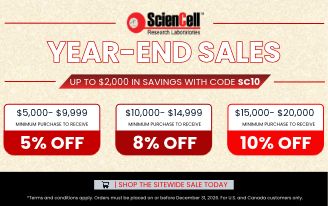
*Exclusions apply. Promotion is valid only on in-stock products. Enter the promotion code in the Comments section at checkout. Discount will be reflected on the final invoice.
Mesenchymal Stem Cell Medium-serum free (MSCM-sf), when used with Mesenchymal Stem Cell Growth Supplement-serum free (MSCGS-sf, Cat #7562), is a chemically defined medium designed for optimal growth of normal mesenchymal stem cells in vitro. It is a sterile, liquid medium which contains essential and non-essential amino acids, vitamins, organic and inorganic compounds, hormones, growth factors and trace minerals. The medium is HEPES and bicarbonate buffered and has a pH of 7.4 when equilibrated in an incubator with an atmosphere of 5% CO2/95% air. The medium is formulated (quantitatively and qualitatively) to provide an optimally balanced nutritional environment that selectively supports the growth of normal mesenchymal stem cells in vitro.
| 目录编号 | 7511 |
|---|---|
| 制造国家 | 美国 |
| 产品编码 | MSCM-sf |
| 规格/数量 | 500 ml |
| 产品用途 | 本产品仅供研究使用。未经批准,不得用于人体、动物或体外诊断程序。 |
| 储存 | 基础培养基请存放于 4°C,MSCGS-sf 和 P/S 溶液请存放于 -20°C,避光保存。 |
| 运输 | 基础培养基:常温。补充剂:干冰。 |
Product Sheets
 7511-b-prf (Basal & Phenol Red Free Medium)
7511-prf (Complete Phenol Red Free Medium)
Search for a Certificate of Analysis by Lot Number below:
Find answers to common questions about ScienCell products, cell culture, handling, and research applications.
Background Squamous cell carcinoma of the tongue (TSCC) is an aggressive malignancy with few therapeutic modalities available. Cisplatin, a commonly used chemotherapeutic... More
ScienCell Research Laboratories (SRL) takes pride in being a resource for researchers all over the world. The publications listed here are not meant as an endorsement or confirmation of the reliability of the products.
超售
检查物品添加到购物车或