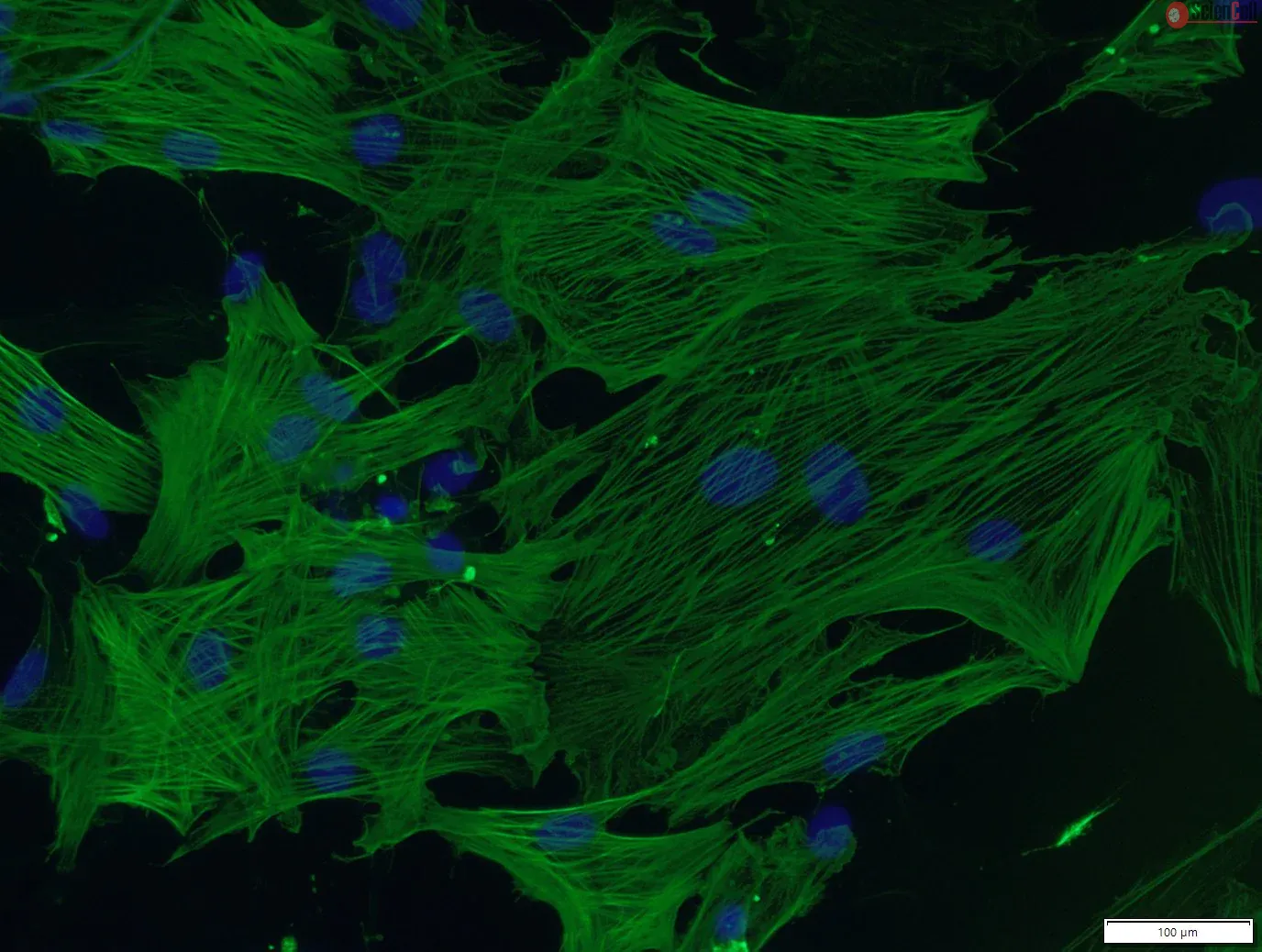
Rat Testicular Peritubular Cells
RTPC from ScienCell Research Laboratories are isolated from CD® IGS rat testes. RTPC are cryopreserved at P0 and delivered frozen. Each vial contains >5 x 10⁵ cells in 1 ml volume.
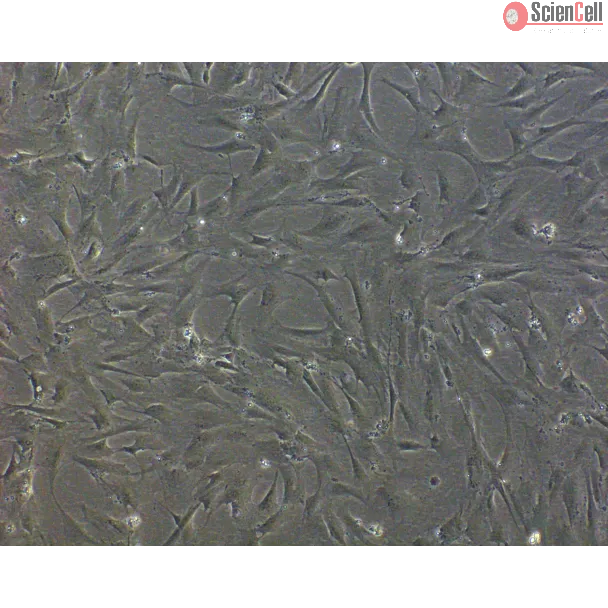
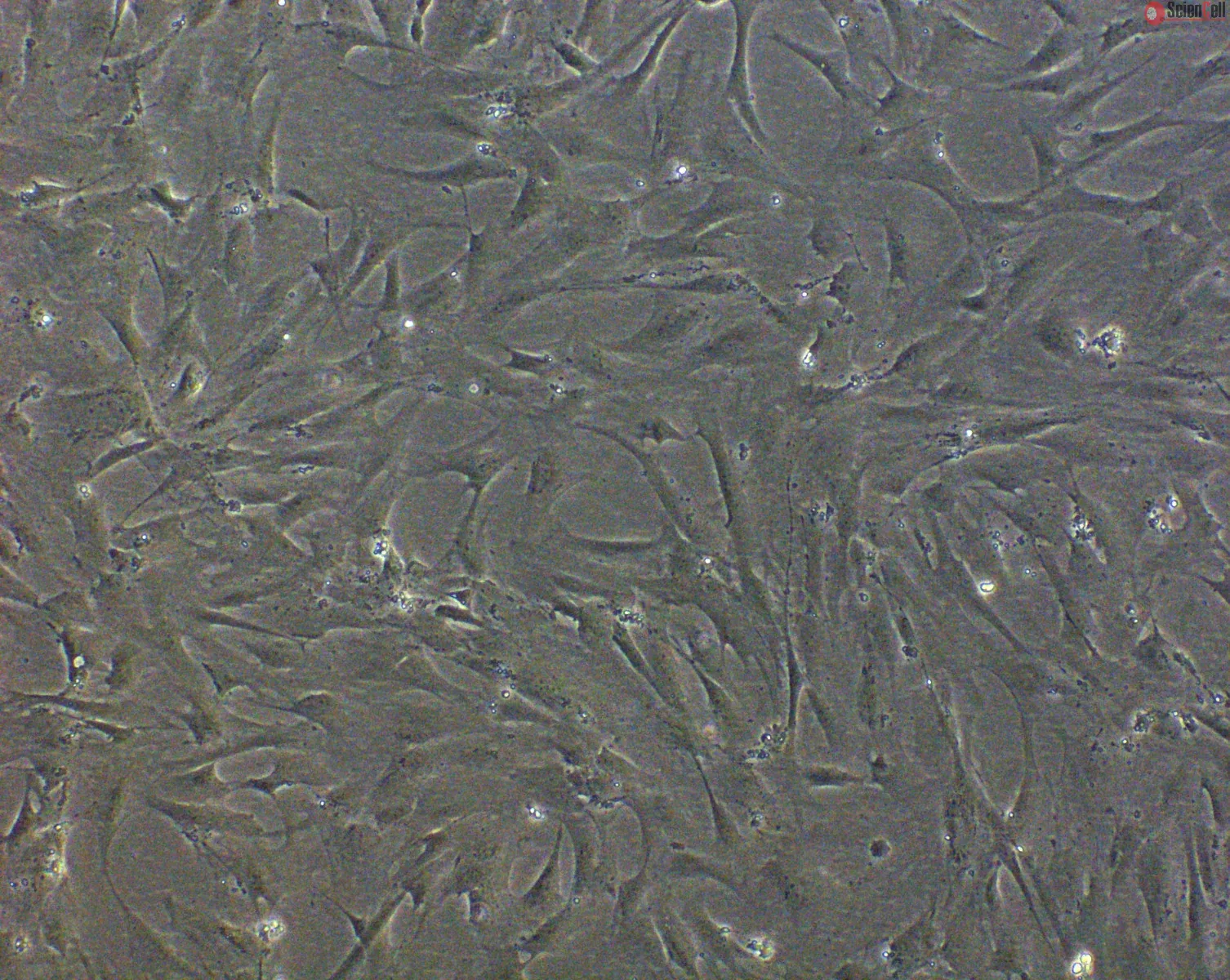
Testicular Peritubular Cells (TPC), also known as peritubular myoid cells, are smooth-muscle like cells found in the seminiferous tubules. These cells are involved in the production and maintenance of the basement membrane in the seminiferous tubules. TPC also contributes to spermatogonial stem cell maintenance through the secretion of niche factors. Disruption to peritubular cell development result in aberrations in reproductive development and physiology. Specifically, alteration in the smooth-muscle like phenotype of TPC is one of the phenotypes associated with impaired spermatogenesis. Understanding the regulatory mechanisms of rat TPC (RTPC) may provide insight into the pathophysiology of impaired spermatogenesis and male infertility.
RTPC from ScienCell Research Laboratories are isolated from CD® IGS rat testes. RTPC are cryopreserved at P0 and delivered frozen. Each vial contains >5 x 10⁵ cells in 1 ml volume. RTPC are characterized by immunofluorescence with antibodies specific to α-smooth muscle actin. RTPC are negative for mycoplasma, bacteria, yeast, and fungi. RTPC are guaranteed to further culture under the conditions provided by ScienCell Research Laboratories; however, RTPC are not recommended for long-term cultures due to limited expansion capacity and senescence after subculturing.
Recommended Medium
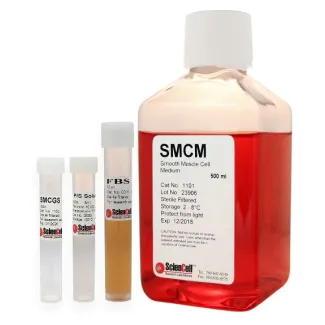
It is recommended to use Smooth Muscle Cell Medium (SMCM, Cat. #1101) for culturing RTPC in vitro.
| Catalog No. | R4530 |
|---|---|
| Country of Manufacture | United States |
| Product Code | RTPC |
| Size/Quantity | 5 x 10^5 cells/vial |
| Product use | This product is for research use only. It is not approved for human or animal use, or for application in in vitro diagnostic procedures. |
| Storage | Upon receiving, directly and immediately transfer the cells from dry ice to liquid nitrogen and keep the cells in liquid nitrogen until they are needed for experiments. |
| Shipping | Dry ice. |

No Publication available at this time.
,-1-mg-ml--2.jpg)