地址

-
- 八月 10, 2026
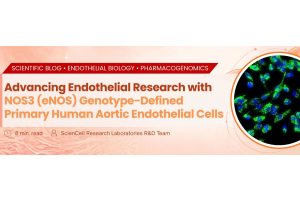
Understanding the Impact of Genetic Variation on Endothelial Cell Function
Endothelial dysfunction is a hallmark of cardiovascular disease and is closely associated with hypertension, diabetes, vascular aging, inflammation, and oxidative stress. Because endothelial nitric oxide synthase (eNOS), encoded -
- 八月 05, 2026
Skip RNA Extraction. Go Directly to RT-qPCR
RNA extraction remains one of the most time-consuming and loss-prone steps in RT-qPCR workflows. Column-based purification adds multiple handling steps, increases the risk of sample loss and RNA degradation, and adds reagent and plasticware costs. For laboratories
-
- 可能 20, 2026
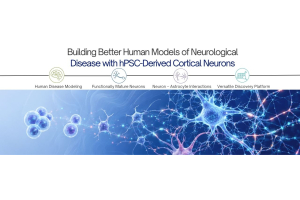
Human pluripotent stem cells have fundamentally changed what is possible in biomedical research. Their capacity to self-renew indefinitely while retaining the potential to differentiate into any human cell type makes them a powerful platform for biological studies. Since Thomson et al. first described
-
- 四月 06, 2026
Genome-wide association studies (GWAS) have identified key genetic risk loci for non-alcoholic fatty liver disease (NAFLD), metabolic dysfunction–associated steatohepatitis (MASH), liver fibrosis, and hepatocellular carcinoma (HCC) with high precision. Working directly in primary human hepatocytes and
-
- 游行 17, 2026
Human genetic variation in APOE (Apolipoprotein E) and MAPT gene (Microtubule Associated Protein Tau) significantly influences risk for Alzheimer’s disease (AD) and tauopathies including frontotemporal dementia (FTD) and progressive supranuclear palsy. APOE alleles (ε2, ε3, ε4) primarily affect glial
-
- 游行 08, 2026
Telomeres protect our chromosomes and shorten with each cell division, a process tied to aging. Telomerase, the enzyme that replenishes these protective caps, is essential for stem cell function and cancer progression. Measuring telomerase activity is critical for understanding aging, cancer, and stem
-
- 游行 02, 2026
We can now provide neurons and astrocytes with defined MAPT haplotypes, offering researchers access to cells selected by genetic background that is directly relevant to tau biology and neurodegenerative disease research.
What’s new?
- MAPT H1/H2 genotyping using SNP rs8070723
- H1c sub-haplotype identification
-
- 二月 12, 2026
In CNS research, understanding disease mechanisms goes beyond tracking individual biomarkers—it requires insight into how entire biological pathways are regulated. From blood–brain barrier (BBB) integrity to glial activation and neuroinflammatory signaling, meaningful studies depend on high-resolution
-
- 二月 08, 2026
APOE genotype–specific astrocyte biology has emerged as a central driver of Alzheimer’s disease and neurodegenerative risk. Recent studies demonstrate that the APOE4/4 genotype profoundly reshapes astrocyte function across multiple pathways, including lipid metabolism, neuroinflammatory signaling, and
-
- 二月 04, 2026
Evaluate cAMP-dependent signaling with ScienCell’s CRE/CREB Dual Reporter Vector (CREVR, Cat. No. VT004). CREB regulates gene expression in response to cAMP/PKA, calcium, and other signaling pathways, controlling metabolism, neuronal activity, and stress responses. Accurate measurement of CRE activity